Building a new deck is an investment that enhances both the value and enjoyment of your Pasadena home. In our sunny, dry climate, the biggest question is no longer if you should build a deck, but what material should you use?
The decision boils down to initial wood deck cost versus the long-term, low-maintenance value of composite decking from industry leaders like Trex and TimberTech.
At Gaga US Construction, we are experienced Pasadena deck builders committed to not just building a deck, but building a durable, code-compliant outdoor extension that enhances your specific property. This guide breaks down material costs, durability, and the crucial local regulations—like those in Pasadena’s historic districts—that you must navigate.
Pillar 1: Understanding Pasadena’s Deck Regulations
Before a single board is laid, local zoning and building codes dictate what you can and cannot build. Ignoring these rules is the quickest way to halt a project.
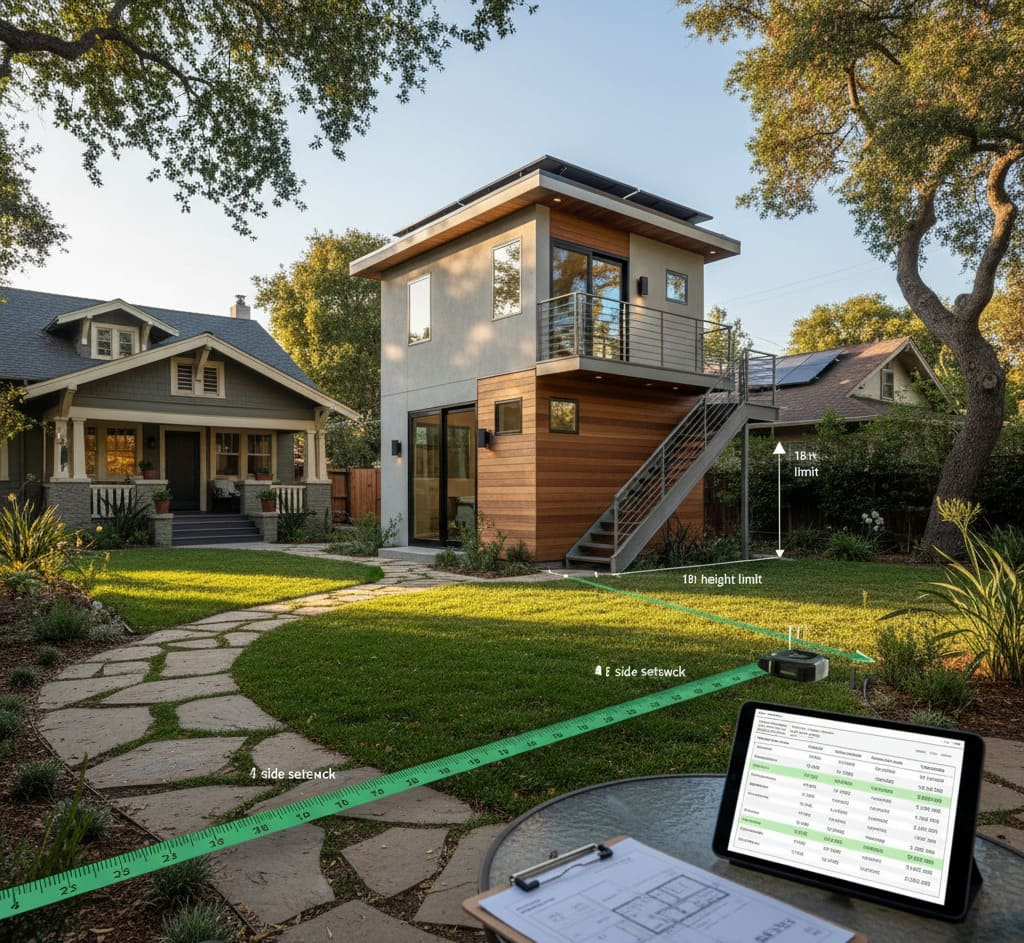
The Critical 18-Inch Rule and Setbacks
The City of Pasadena, like many municipalities, uses height to determine permit necessity:
Permit Exemption: Decks, terraces, and other site design elements that are placed directly upon the finish grade and do not exceed a height of 18 inches above the surrounding finish grade are generally exempt from standard setback requirements.
Permit Required: If your deck is over 18 inches off the ground, it will be considered a structure. It must comply with the full setback requirements for your zoning district, and a building permit is required. We also advise on installing durable and code-compliant perimeter fencing and gates around decks and pools.
The Historic District Requirement (The COA)
If your home is located in a designated area like Bungalow Heaven or Garfield Heights, you are in a Landmark District. Any visible exterior alteration, including a new deck or significant repair, requires a Certificate of Appropriateness (COA) from the City of Pasadena before a building permit can be issued.
COA Mandate: This review ensures the materials and design are compatible with the district’s historic character. While composite is often discouraged in favor of natural wood in these districts, an experienced deck builder can guide you on approved colors, patterns, and railing styles that comply with the COA standards.
Pillar 2: Cost Comparison: Composite vs. Wood
The material choice involves a direct trade-off between upfront expense and long-term maintenance costs.
Natural Wood (Cedar/Redwood) Deck Cost
Initial Wood Deck Cost: Generally, the lowest deck cost per square foot upfront. Pressure-treated pine is the most affordable, followed by premium woods like Cedar and Redwood.
Maintenance: Wood requires continuous, expensive maintenance in the Pasadena climate. This involves power washing, sanding, and re-staining/sealing every 1–3 years to protect against UV damage and dry rot.
Composite Decking (Trex vs. TimberTech)
Composite decking is made from a blend of recycled wood fibers and plastic polymers, offering superior longevity and minimal upkeep.
| Brand | Primary Advantage | Typical Cost per Linear Foot (Material Only) | Long-Term Value |
| Trex Decking | Excellent sustainability (95% recycled), wide availability, and generally more affordable entry points (e.g., Enhance line). | $3.50 – $7.50+ | Affordable Entry: Trex provides a great balance of cost and durability. |
| TimberTech | Premium aesthetics, advanced capping (PVC or composite), and high-end lines (AZEK) that are 100% PVC, offering superior resistance to mold and fading. | $4.50 – $9.00+ | Superior Durability: Higher cost for advanced materials, better resistance to intense Pasadena sunlight. |
Installation Cost Per Square Foot
When calculating the total project price, the Trex deck cost per square foot installed is generally lower than TimberTech due to TimberTech’s premium material and slightly higher labor cost for professional installation. For an average 300 sq. ft. composite deck, you can expect an initial price in the range of $35–$50 per square foot installed, depending on the framing, complexity, and specific line chosen.
Pillar 3: Design & Longevity
We ensure the framing and deck footings meet the California Residential Code for structural soundness.
The Framing is the Foundation
No matter which surface material you choose, the underlying structure must be sound. We only use pressure-treated lumber for the deck framing—the beams and joists—as they are highly resistant to pests and moisture. Ensuring the proper use of flashing and ledger board installation prevents water intrusion into your main house, protecting your largest asset.
Sun Exposure and Fading
Pasadena’s intense sunlight is the enemy of cheap composite materials. If your deck receives heavy, all-day sun exposure, we recommend looking at TimberTech’s full PVC AZEK line. This material contains no wood fibers, making it exceptionally resistant to the UV fading and moisture absorption that can cause lower-grade composites to degrade over time.
Railings and Safety
Deck safety is governed by the California Residential Code. We install durable deck railings using powder-coated aluminum, clean cable railing systems, or high-quality composite rail systems that meet the required height and spacing regulations. A well-designed railing not only ensures safety but also provides an aesthetic finish that complements the modern look of composite materials.
Ready to Build Your Dream Deck?
Whether you prioritize the classic feel of wood or the low-maintenance luxury of Trex or TimberTech, Gaga US Construction has the expertise to design and build a deck that meets all Pasadena aesthetic and structural codes. Stop waiting for the perfect moment—contact our expert deck builders today to schedule your free, on-site design consultation and estimate.
Contact Gaga US Construction today for a free estimate and design consultation.
Call (747) 609-6912 and let’s start building your ultimate Pasadena deck.